
Itasca Criminal Docket Search in MCRO
Start remotely with Minnesota Court Records Online Case Search. Accept the terms and pick Case Search. When the category is known, select Criminal and limit Court Locations to Itasca. Click the blue case link to open Case Details. The Register of Actions lists every event by date. Remember that MCRO is a public lookup tool. It is not a certified record, and it does not take payments.
The official Case Search page offers separate tabs for Case, Document, Hearing, and Judgment searches. So an Itasca criminal docket search can be matched to the task at hand.
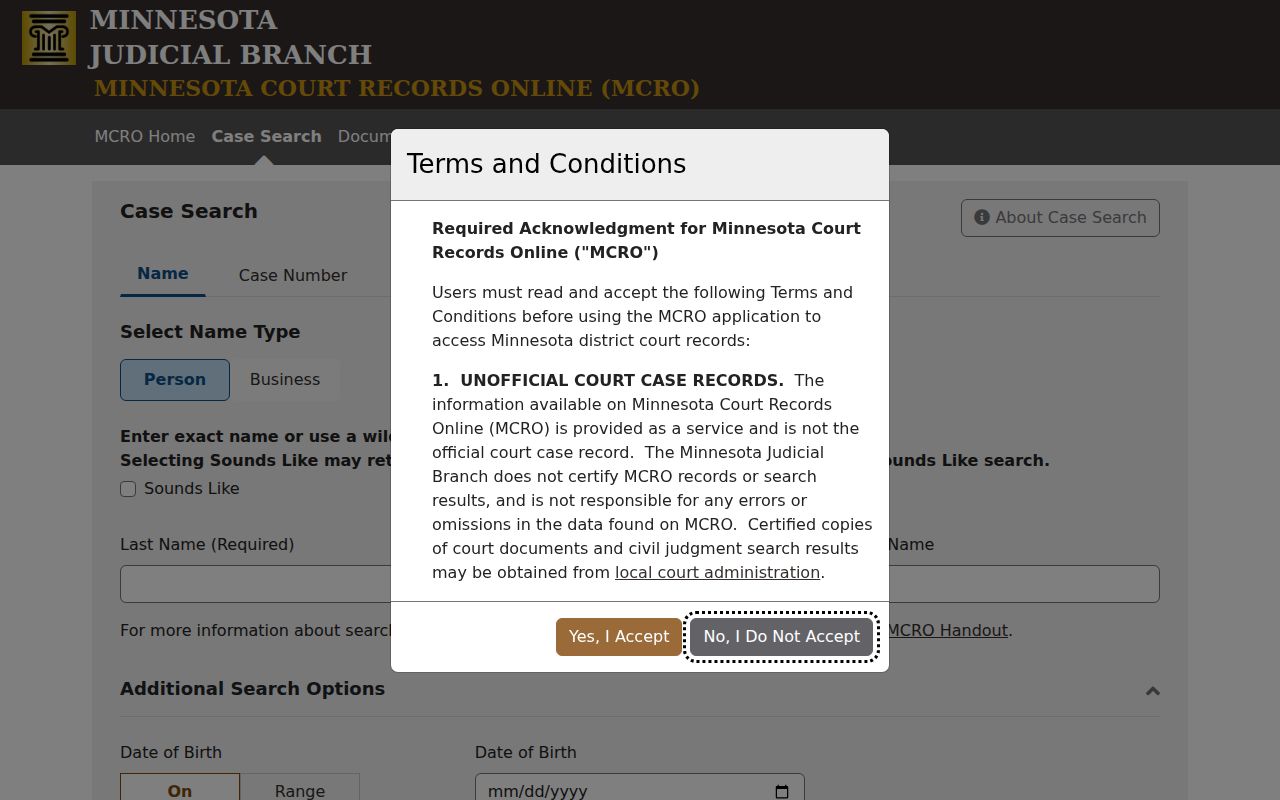
A case search works well for pulling up the ROA. Hearing Search is the better tool when the goal is a scheduled court event.
How to Search Criminal Dockets
Itasca County Court Administration keeps the criminal Register of Actions within the unified Minnesota District Court system. A complete court file number works best. So does a citation number or an attorney identifier. A broad name entry, by contrast, often returns noise. One more limit matters: for any pending criminal, traffic, or petty-misdemeanor matter with no conviction, MCRO blocks defendant-name searches. Use the case number, citation, attorney name, or attorney bar number instead.
- Open MCRO Case Search and accept the terms of use.
- Select the Case Number, Citation Number, Attorney, or Name route that fits the information in hand.
- Choose Criminal and select Itasca under specific county court locations when those filters are useful.
- Review the county, case number, category, parties, and filed date before opening the blue case link.
- Read the Case Details ROA from the first event through the newest hearing or disposition.
Checking a fine balance? The county directs users to select Itasca and Criminal/Traffic/Petty Case Records, then open the case and inspect Financial Information.
Itasca Criminal Docket Numbers: CR and VB
Itasca court file numbers start with county code 31. The statewide pattern joins that code to case-type letters, a two-digit filing year, and a sequence. A criminal mandatory-appearance file may look like 31-CR-YY-#####, while a payable or nonmandatory citation file may look like 31-VB-YY-#####. Enter numbers, hyphens, and letters only. Spaces trigger an MCRO case-number error.
CR marks a court-appearance-required criminal or traffic case. VB marks a payable or nonmandatory citation case. The code identifies the file route, not the outcome.
What a Criminal Docket Shows
The Itasca criminal ROA is a chronological register, not a quick summary. Begin with the court file number, category, status, and parties. Then read the charge block in context. Read the scheduled hearings, filings, orders, disposition, sentence, and financial entries the same way. A felony label is not a finding of guilt. To read the docket fairly, follow it through the disposition and everything after.
| Case number | The local identifier, often beginning with 31-CR or 31-VB. |
|---|---|
| Charge block | Charge description, cited law, and offense classification for the accusation. |
| Case events | Filed pleadings, motions, orders, continuances, and other actions in date order. |
| Hearings | Past and upcoming appearances, including arraignment, pretrial, trial, or sentencing settings. |
| Disposition and finances | Recorded result, level of sentence, fines, fees, restitution, payments, or collection information where public. |
Itasca Criminal Docket Charge Blocks
A charge block names an allegation, never a final result. It may begin with a complaint, citation, indictment, or information. It can list the alleged offense, the statute, and the classification. A standard citation can use a 12-digit citation number. Watch the form itself. When it marks an offense as endangering a person or property, a petty misdemeanor can become a misdemeanor requiring an appearance.
The Minnesota Government Access search guidance explains the public-search rules the state applies. Read charge entries beside later plea, finding, dismissal, and sentence events. Do not treat a case category as a conclusion.
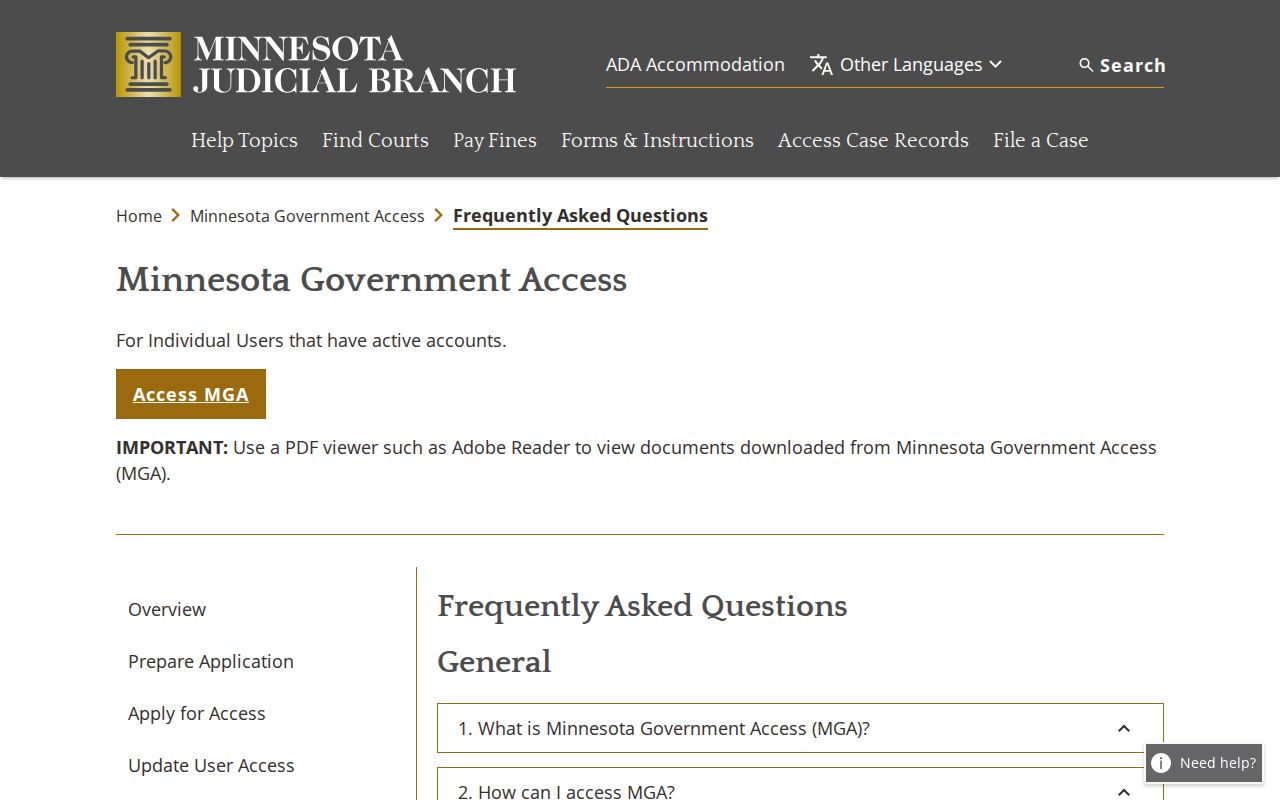
That distinction matters when an Itasca criminal docket is used to track the status of one case. The later entries tell the real story.
Itasca Criminal Docket Warrant Flags
Bond history may appear in Case Information, and an ROA can carry warrant-related entries. A red W beside a party does not by itself establish a warrant in that specific case. State search guidance cautions readers to inspect the case information and events. Do not lean on the marker alone.
Minnesota Government Access is a separate authorized-government system, its official overview makes clear. For an Itasca criminal docket that is publicly available, MCRO remains the appropriate route.
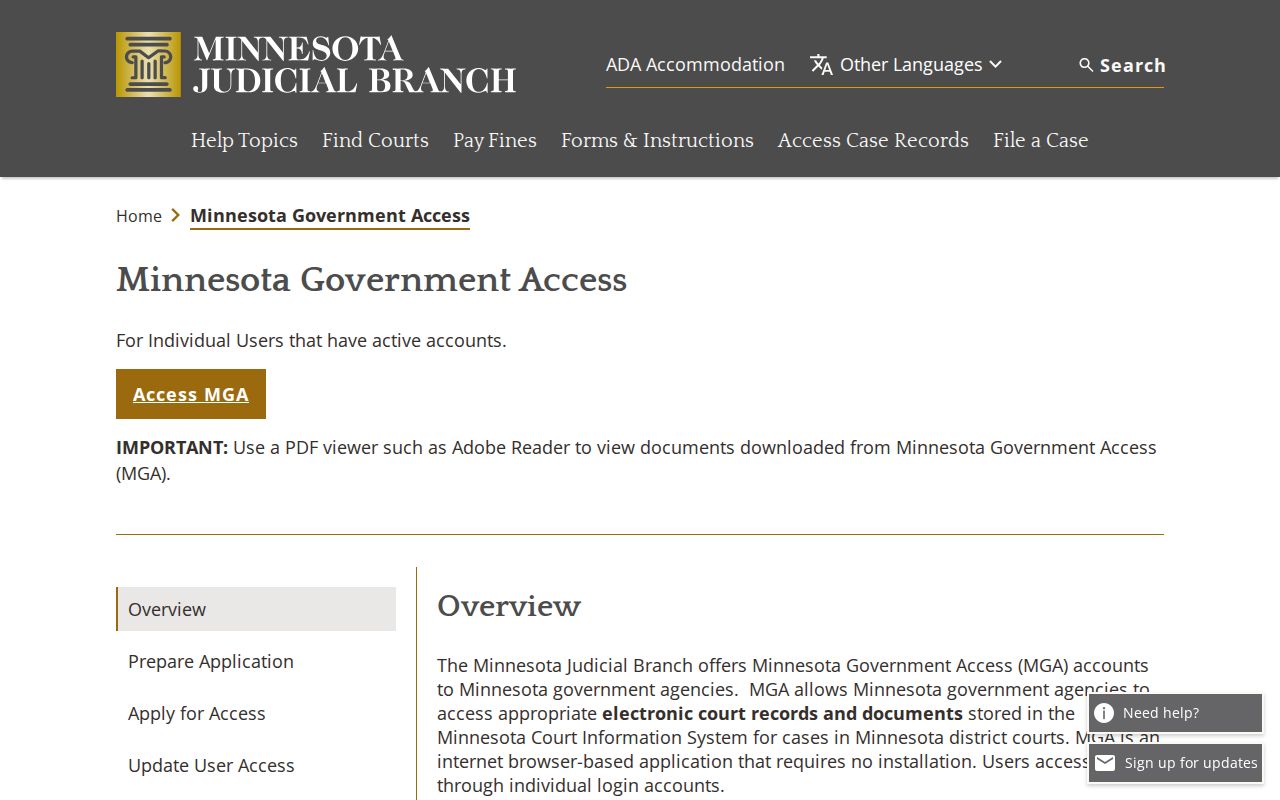
When a record raises a time-sensitive court question, call Court Administration. Staff can confirm the proper public access channel.
Stages on a Criminal Docket
Events commonly move through this sequence: Filing → Arraignment → Pretrial → Plea or Trial → Disposition → Sentencing. At the early stage, look for the complaint or citation, initial appearance, rights, counsel, plea, and next setting. Pretrial events may include omnibus hearings, motions, status conferences, and continuances. The newest hearing entry controls when a prior date has been reset.
A plea or trial event may be followed by a verdict or finding. Disposition and sentencing entries can then show fines, restitution, probation, payment, collection, sentence modification, or appeal activity. A collections reference is a good reason to call Court Administration.
Itasca Criminal Docket Dispositions
Use the wording the ROA itself uses. Plain-language concepts you may see include dismissal, acquittal, guilty plea, conviction, continued for dismissal, stayed sentence, probation, fine, restitution, case closed, and notice of appeal. The public interface offers no official Itasca event-code glossary. Do not expand unexplained abbreviations by guesswork.
- Disposition
- The recorded result of the criminal case or charge.
- Continued for dismissal
- A recorded status that remains pending for the MCRO defendant-name restriction until conviction status changes.
- Financial Information
- The ROA area that can show fines, fees, restitution, payments, balance, or collection referral.
Note: A word such as dismissed describes one court event. The complete ROA supplies the sequence and date that give it meaning.
Which Court Holds Criminal Dockets
Itasca criminal matters sit in the Minnesota District Court, specifically Itasca County District Court. Official local sources name no separate county criminal court or municipal criminal docket. The unified trial court handles felony, gross-misdemeanor, misdemeanor, petty-misdemeanor, criminal traffic, and payable citation files alike. Case type and charge determine the process.
| Court or venue | Location | Criminal docket role |
|---|---|---|
| Itasca County District Court | 123 Fourth Street NE, Grand Rapids | Trial-court criminal ROAs, hearings, case files, and copies. |
| MPA Courthouse terminal | Itasca County Courthouse | More complete public electronic view than remote MCRO. |
| Sheriff's Records Division | 108 NE 5th Street, Grand Rapids | Incident, arrest, and citation records, not the court ROA. |
Itasca County Court Administration
123 Fourth Street NE
Grand Rapids, MN 55744
218-327-2870
Custodian path for District Court criminal dockets, copies, older files, and hearing questions.
Itasca Criminal Docket Copies and Older Files
Most public criminal filings from July 1, 2015 onward can be pulled from MCRO at no cost. Free is not the same as official. A download from MCRO is uncertified. It will not work where the court expects a certified copy. Court Administration issues those, and the base fee is $14 per document. Need both certification and exemplification together? That combined copy is $28. Court reporters, not the clerk, handle criminal and juvenile delinquency transcripts. Their usual rate is $4.25 per page. Minnesota Rule of Public Access 8 sets out the public-access tiers an Itasca County court docket runs on. This official reference lays them out plainly. When a public document is older or simply absent from remote view, the courthouse terminal or a request to Court Administration is the fallback for getting at the court records.
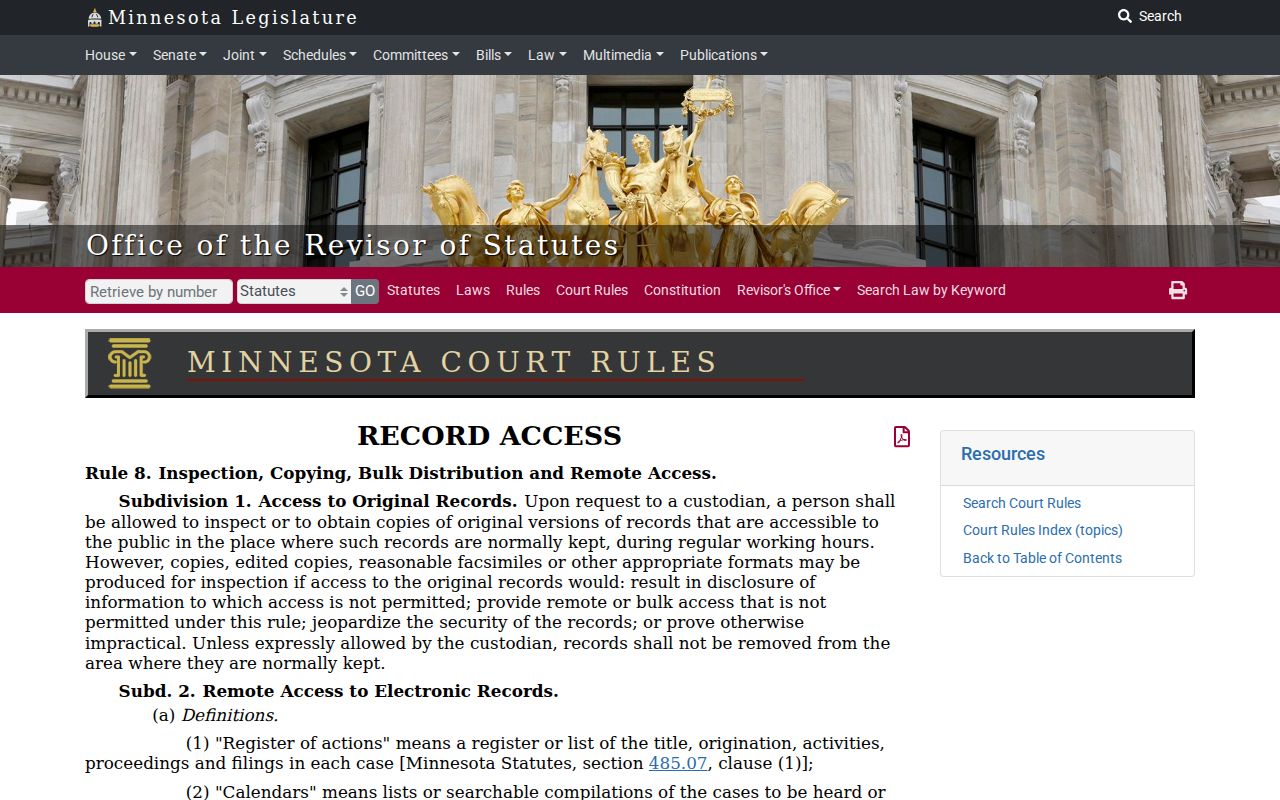
A document missing from remote access can reflect its date or its access tier, not a missing court file.
Itasca Criminal Docket Expungement Limits
An Itasca County case that has been expunged usually drops out of public view. The court docket vanishes with it. Statutory exceptions exist, and a judge can authorize limited access in some situations. A blank result, though, is not always expungement. It can also mean the search used a pending name change, a protected case type, or an older paper file. Other causes include the wrong county, or a citation that was never filed. Court Administration can point you to the right request path. It will not vouch for what an online lookup returns.
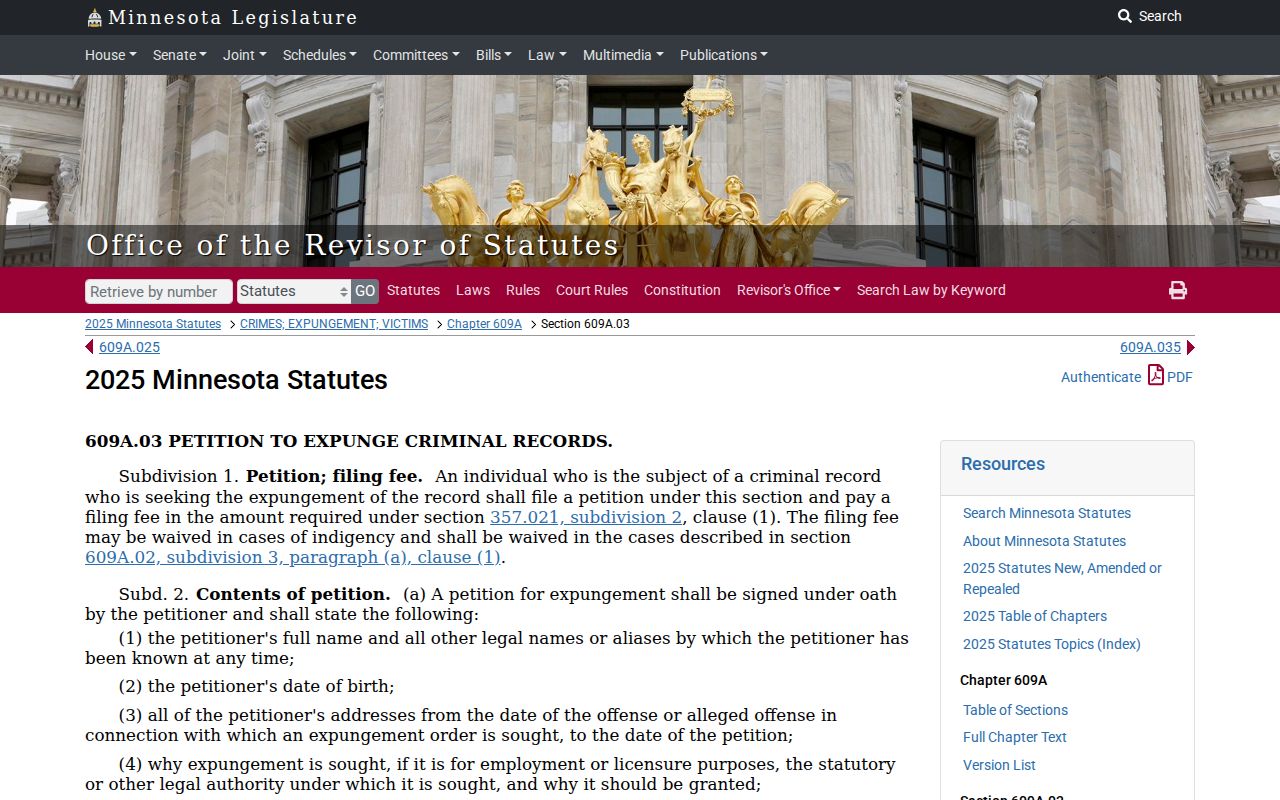
The Minnesota criminal expungement statute governs these limits. It shows why a routine Itasca criminal docket search never replaces the authorized access process.
Sometimes a public file just is not online. That does not end the search. The MPA Courthouse terminal is the next electronic layer of access.
Itasca Criminal Docket Public Record Check
Match the tool to the record. For an unofficial public ROA and eligible documents, MCRO is the free remote option. The MPA Courthouse terminal at the Itasca courthouse offers the deeper public electronic access. Court Administration can track down an older local paper file. Staff can tell you whether it sits off-site and issue a certified copy of a court record. The Sheriff's Records Division is a different animal. It keeps incident, arrest, and citation records, and it will not certify a court disposition or an ROA. The split matters when a search starts with a police report. The real question is often what District Court did. Compare the report against the matching court file number. Then read the criminal ROA for charges, hearings, and the action the court took. If no case lookup turns up a court record remotely, call 218-327-2870 before concluding the public file is unavailable.
Public Access and Sealed Criminal Dockets
Criminal ROAs are open to the public during regular office hours. A rule or court order can say otherwise. Remote MCRO has limits, though. It hides restricted identifiers. It also applies special rules to defendant-name searches in pending criminal, traffic, and petty-misdemeanor cases. Sealed, confidential, juvenile, and expunged material never shows up in a routine public lookup. For fuller access to public court records, the courthouse terminal may beat remote MCRO.
Key Rules: Rule 2 presumes court records are open unless an exception applies. Rule 4 identifies protected categories. Rule 8 governs the ROA and remote-access tiers. Minn. Stat. §13.03 addresses inspection and copy access.
Certified copies come from Court Administration, never from MCRO. The Itasca County case search page walks through the name, number, hearing, document, and judgment routes that apply across case types.